
The Best Native Plants You’ll Discover While Exploring Florida’s Nature Coast

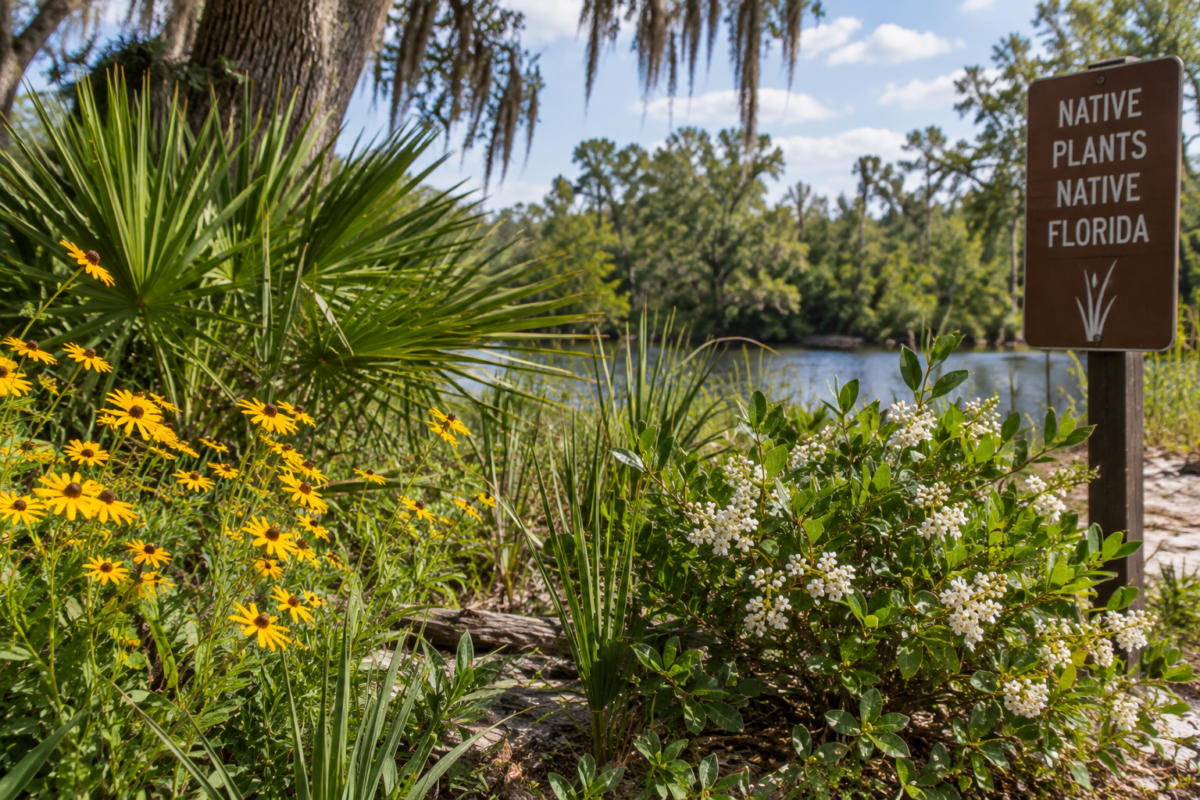
Florida’s Nature Coast isn’t defined by one landscape. Rivers, wetlands, forests, coastal areas, hammocks, and other habitats come together across this part of the state, creating conditions for an impressive variety of plant life.
For visitors, learning to recognize a few Florida native plants can make a hike, wildlife outing, or drive through the Nature Coast more interesting.
Instead of seeing a wall of greenery, you begin noticing how different plants fit into the landscape around you.
What Makes a Plant Native to Florida?
UF/IFAS defines plants as native to Florida if they were present here at the time of European contact in the early 16th century. Florida has more than 2,400 native plant species.
These plants have adapted over long periods to the state’s soils, rainfall, temperatures, and ecosystems.
However, that doesn’t mean every Florida native grows everywhere in the state. Different species are associated with different habitats, including flatwoods, hammocks, swamps, scrub, and coastal areas.
That’s part of what makes exploring the Nature Coast interesting.
Cabbage Palm
Few plants look more unmistakably Floridian than the cabbage palm, also known as the sabal palm.
It is Florida’s state tree and can be encountered across a wide variety of landscapes.
Its tall trunk and fan-shaped leaves make it relatively easy for visitors to recognize. Cabbage palms also contribute habitat and food resources for wildlife.
Because they occur in different environments, you may notice them while exploring wooded areas, roadsides, or places closer to the coast.
Live Oak
Another tree strongly associated with Florida landscapes is the live oak.
Mature live oaks can develop broad, spreading branches that create impressive natural canopies. In humid environments, those branches may also support mosses, lichens, ferns, and other plants.
For visitors interested in nature photography, mature oaks can make particularly striking subjects, especially early or late in the day when sunlight filters through their branches.
Saw Palmetto
Closer to the ground, saw palmetto is another plant you may encounter in Florida’s natural areas.
Its fan-like leaves often form dense growth beneath taller trees, particularly in flatwoods and other suitable habitats.
Saw palmetto is an excellent example of why looking beyond the largest trees can make a nature walk more interesting. Florida’s landscapes are layered, and lower-growing vegetation can be just as characteristic as the canopy above.
Wax Myrtle
Wax myrtle is another native plant found in Florida.
This evergreen shrub or small tree can grow in a variety of environments and plays a role in natural plant communities.
UF/IFAS also identifies native shrubs such as wax myrtle among coastal plants that can help stabilize soils and function as windbreaks.
For wildlife watchers, native shrubs are worth paying attention to because vegetation can provide food, shelter, and nesting opportunities for birds and other animals.
Native Mangroves
As you move toward suitable coastal and tidal environments, the plant communities begin to change.
Florida has three native mangrove species: red mangrove, black mangrove, and white mangrove.
Mangroves are especially interesting because they have adaptations that allow them to survive environments that many other trees cannot tolerate.
Black mangroves, for example, can excrete excess salt through glands on their leaves. Red mangroves are recognizable for their distinctive prop roots.
These plants aren’t simply interesting to identify. They perform important ecological functions along Florida’s coast.
Why Native Plants Matter to Wildlife
Learning about Florida native plants also helps visitors understand wildlife.
Plants form the foundation of habitats. They provide shelter, nesting locations, shade, seeds, fruits, nectar, and other resources used by animals.
That means birdwatching and plant identification often go together.
When you begin recognizing different vegetation, you can also start noticing which birds and animals tend to appear around particular habitats.
Turn a Nature Walk Into a Plant-Spotting Adventure
You don’t need to be a botanist to enjoy identifying plants.
Start with several easily recognizable species and gradually expand what you know.
Taking photographs can help, but avoid removing flowers, leaves, or plants from protected natural areas. Stay on designated trails where required and leave vegetation where you find it.
Official resources from UF/IFAS can also help you learn more about Florida’s native species.
Explore the Nature Coast at a Slower Pace
The Nature Coast rewards people who pay attention.
A river trip might initially be about fishing. A trail walk may start as exercise. But once you begin recognizing Florida native plants, you start seeing the landscape differently.
That makes plant identification an easy addition to an RV trip based around nature and outdoor recreation.
While staying in Inglis, you can also learn more about how the surrounding rivers and landscapes influenced the community through Village Pines’ article on the history of Inglis, Florida.
The more you understand about the plants around you, the more there is to discover every time you head outside.